Scary Stories: The Handwritten Font That Defines Spooky Design
When the sun sets and the fog rolls in, there is a specific atmosphere that designers crave. It is not just about adding a little orange to a white background; it is about capturing a feeling of dread, mystery, and the uncanny. This is where Scary Stories steps onto the stage. Unlike standard typefaces that aim for clarity and neutrality, this unique handwritten font embraces the grotesque and the gloomy, making it an essential tool for anyone looking to create authentic Halloween designs.
The world of typography is vast, but few fonts manage to convey a narrative as effectively as Scary Stories does with its very first letter. It isn't merely a collection of glyphs; it feels like it was written by hand in a dimly lit basement, perhaps with a trembling grip or a quill dipped in ink that has seen better days. This distinct character is what separates a generic holiday graphic from a piece of art that actually gives you chills.
The Aesthetic of Unease
To understand why this font works so well, one must look at the psychology of horror. Fear often stems from the unknown, the irregular, and the imperfect. Machine-made fonts are too perfect. They are symmetrical, consistent, and sterile. In contrast, Scary Stories leans heavily into the imperfections that make human handwriting feel real—and sometimes terrifying.
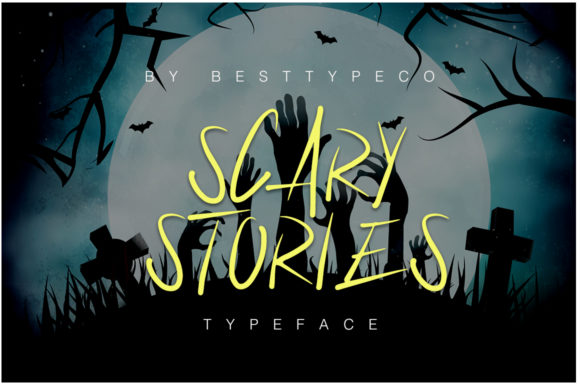
The strokes vary in thickness, mimicking the pressure of a hand pressing down on paper. Some letters seem to drip, while others appear jagged, as if scratched across a surface rather than drawn upon it. This "handwritten" quality is crucial. It suggests a human presence, a story being told, which immediately engages the viewer's imagination. When you see a poster featuring this font, your brain doesn't just read the text; it starts wondering who wrote it, when they wrote it, and what drove them to such dark thoughts.
- Irregular Baselines: The text rarely sits on a straight line, creating a sense of instability and unease.
- Gloomy Texture: The internal texture of the letters often looks worn, stained, or eroded.
- Unique Ligatures: Certain letter combinations connect in ways that look like tangled vines or grasping fingers.
These aren't just design choices; they are functional elements that trigger a subconscious response. By using Scary Stories, you bypass the logical processing of the eye and go straight to the emotional center of the brain. This is why it is the go-to choice for anything requiring immediate impact and atmospheric depth.
Practical Applications in Modern Design Workflows
While the aesthetic appeal is undeniable, the practical utility of Scary Stories extends far beyond simple novelty. In modern creative workflows, time is money, and efficiency is key. Fortunately, integrating this font into your projects is straightforward, yet the results are profound. Whether you are working on digital assets or physical print materials, the versatility of the font allows it to adapt to various mediums without losing its edge.
Consider the workflow of a graphic designer preparing for the autumn season. Instead of spending hours searching for clip art or trying to manually distort standard fonts to look "creepy," starting with Scary Stories saves significant time. You can drop the text into a layout, and it instantly carries the weight of a horror story. This allows the designer to focus on composition, color theory, and imagery rather than struggling to force a standard font to behave.
The font excels in scenarios where hierarchy needs to be established through mood rather than size alone. For example, in a movie poster, the title might be rendered in Scary Stories, while the credits remain in a clean sans-serif. This contrast creates a visual tension that draws the eye immediately to the most important element. The handwritten nature of the font also makes it perfect for personalization. Imagine a birthday invitation for a 13th birthday party or a custom label for a homemade pumpkin pie; the font adds a touch of personality that mass-produced templates simply cannot match.
Digital vs. Print Considerations
One of the critical factors to consider before adopting Scary Stories is how it translates across different mediums. On screen, the fine details of the handwriting can sometimes get lost depending on the resolution or the device used. However, because the font is designed with bold, expressive strokes, it generally holds up well on social media graphics, website headers, and video thumbnails.
In the print realm, the possibilities expand. The texture of the letters interacts beautifully with textured papers, cardboard, or even fabric. If you are printing flyers for a haunted house event, the slight roughness of the font can complement the gritty nature of the venue. However, care must be taken with small point sizes. Because the letters are intricate and sometimes have disconnected parts, they may become illegible if scaled down too much. Always test your designs at actual size before committing to a large print run.
Why Designers Choose Scary Stories Over Alternatives
There are hundreds of "spooky" fonts available online, many of which rely on heavy use of blood red colors or dripping effects to do the work for them. These fonts often feel cheap or overused. Scary Stories takes a different approach. Its power lies in its subtlety and its reliance on form rather than decoration.
When choosing a typeface, designers often ask themselves: "Does this fit the brand?" or "Does this tell the right story?" For a Halloween-themed project, the answer is almost always yes for this font. It avoids the cliché of cartoonish monsters or overly dramatic gothic arches. Instead, it offers a raw, unfiltered look that feels more grounded in reality. This realism is what makes it effective for storytelling. It doesn't scream "I am a scary font"; it whispers, "Something is wrong here."
Another major advantage is the readability within the context of horror. While some horror fonts are so distorted they are impossible to read, Scary Stories maintains a balance. It is eerie enough to set the mood but legible enough to convey the message. This is vital for marketing materials where the call to action (like a date, time, or ticket price) must be understood instantly despite the spooky theme.
Maximizing Impact with Complementary Elements
To truly unlock the potential of Scary Stories, it should not be used in isolation. Typography is part of a larger ecosystem of design elements. Pairing this font with the right imagery and color palette can elevate a design from good to unforgettable.
Think about the lighting in your scene. Since the font itself evokes a gloomy atmosphere, placing it against a backdrop of deep shadows, moonlight, or flickering candlelight enhances the effect. Avoid bright, cheerful backgrounds that clash with the font's intent. Instead, opt for desaturated colors, muted purples, dark greens, or stark black and white contrasts.
- Layering Textures: Add grain or noise overlays to the background to mimic old film or weathered paper. This complements the handwritten imperfection of the font.
- Strategic Color Use: While red is common, consider using sickly yellows, bruised purples, or muddy browns to create a more nuanced sense of dread.
- Imagery Integration: Ensure that any images used do not overpower the text. Let the font be the focal point, with illustrations serving as supporting characters in the narrative.
By treating the font as a character in your design rather than just a vehicle for text, you create a cohesive experience. The font becomes the voice of the design, speaking directly to the viewer's fears and curiosities.
Making the Right Choice for Your Project
Before downloading or purchasing Scary Stories, take a moment to evaluate your specific needs. Is this for a high-impact billboard? Or a subtle detail on a business card? Understanding the scale and context will help you decide if the level of detail in the font is appropriate. Remember, the goal is to enhance the message, not obscure it.
If you are building a brand identity around horror, gaming, or alternative lifestyles, investing in a license for Scary Stories can pay dividends. It provides a consistent visual language that distinguishes your work from competitors who stick to generic stock fonts. It signals to your audience that you understand the nuances of the genre and respect the craft of design.
In a digital landscape saturated with uniformity, standing out requires a willingness to embrace the unconventional. Scary Stories offers exactly that—a chance to break the mold and inject genuine emotion into your work. Whether you are designing a flyer for a local ghost tour, a logo for a horror podcast, or a custom invitation for a costume party, this font provides the perfect foundation for your creative vision.
The next time you find yourself staring at a blank canvas, wondering how to capture the essence of the macabre, remember that sometimes the simplest solution is the most effective. Let the hands of the past guide your digital present. Embrace the gloom, the grime, and the unique character of Scary Stories, and watch your designs transform into something truly memorable.