Onyx: The Sharp, Handwritten Font That Instantly Elevates Your Design
There is a specific kind of magic that happens when you pair a design with the right typeface. It's not just about legibility or style; it's about the feeling the text evokes before a single word is even read. Enter Onyx, a font that has quickly become a favorite for creatives who want to inject personality into their work without sacrificing readability. Unlike many handwritten fonts that feel soft, wobbly, or overly casual, Onyx brings an incredibly sharp feel to the table. This distinct characteristic allows it to cut through clutter and turn any design project into a standout piece.
When you are looking for a font that balances the organic charm of handwriting with the precision of modern typography, Onyx is the answer. It captures the energy of a quick, confident note scribbled on a napkin but refines it so it works perfectly in professional contexts. Whether you are designing a wedding invitation, a coffee shop menu, or a tech startup's landing page, this font offers a unique versatility that few others can match.
Why the Sharp Feel Makes All the Difference
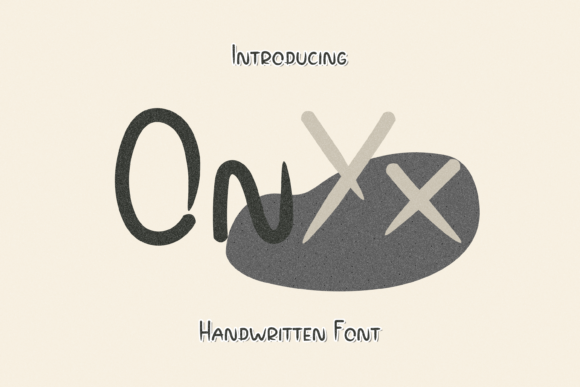
Most people associate "handwritten" fonts with a lack of structure. They imagine fonts that look like they were drawn by a child or a tired artist at 2 AM. While there is certainly a place for those styles, Onyx takes a different approach. Its defining trait is its sharpness. The strokes are crisp, the angles are deliberate, and the overall impression is one of confidence and clarity.
This sharp feel is crucial for modern audiences who have short attention spans. A font that looks too messy can be difficult to scan quickly, leading users to skip over your content. Onyx avoids this pitfall entirely. Because every letter is defined and precise, it commands attention. It says, "I am handmade, but I mean business." This duality makes it perfect for brands that want to appear authentic and approachable while maintaining a high standard of quality.
Real-World Scenarios Where Onyx Shines
The true value of a font isn't found in a catalog; it's found in how it performs in the real world. Here are several practical situations where using Onyx can transform a project from ordinary to exceptional.
- Food and Beverage Branding: Imagine walking into a trendy new bistro. The menu isn't printed in a stiff serif or a generic sans-serif. Instead, the dish names are written in Onyx. The sharp lines give the food description a sense of artisanal care. It suggests that the chef took time to craft each meal, adding a layer of perceived value to the dining experience.
- Event Invitations and Stationery: Weddings, birthdays, and corporate galas all benefit from the personal touch of handwriting. However, formal events often require a level of elegance that sloppy scripts cannot provide. Onyx strikes the perfect balance. It feels intimate and celebratory but remains sophisticated enough for black-tie affairs. The sharp edges ensure that names and dates are easy to read for guests of all ages.
- Social Media Graphics: In the fast-scrolling world of Instagram and TikTok, bold typography stops the thumb. Using Onyx for quotes, announcements, or promotional graphics creates immediate visual interest. Its unique shape stands out against flat backgrounds and photographs, making your content more shareable and memorable.
- E-commerce Product Packaging: Small businesses often struggle to differentiate themselves from mass-produced goods. Placing the brand name or a key product feature in Onyx on a label or box adds a human element that big corporations lack. It tells the customer that real people made this product with care.
Who Benefits Most from This Typeface?
Different industries find different strengths in Onyx, depending on their goals and target audience. For graphic designers, the font is a versatile tool that solves the problem of needing a script that doesn't look dated. It bridges the gap between vintage aesthetics and contemporary minimalism.
For small business owners, Onyx is a cost-effective way to upgrade their brand identity. Instead of hiring a calligrapher for every piece of collateral, they can use this font to achieve a custom look. It works particularly well for boutiques, jewelry makers, and lifestyle bloggers who rely on a personal connection with their followers.
Even large organizations aren't immune to the appeal of Onyx. Marketing teams might use it for limited-edition campaigns or special promotions where they want to break the monotony of corporate branding. It adds a burst of energy that signals excitement and urgency without shouting.
Practical Considerations Before You Apply It
While Onyx is a powerful addition to any designer's toolkit, it is not a one-size-fits-all solution. To get the best results, you need to understand how to wield it effectively. The first consideration is context. Because of its sharp, handwritten nature, it carries a strong voice. If you are writing a long block of legal text or a dense technical manual, Onyx will likely be too distracting. It is designed for headlines, pull quotes, logos, and short phrases, not for body copy.
Another important factor is contrast. Onyx shines brightest when paired with clean, simple elements. Try combining it with a minimalist sans-serif for subheadings or body text. The simplicity of the supporting font allows the sharp details of Onyx to pop. If you pair it with another busy script or a highly decorative serif, the design can quickly become chaotic and hard to read.
You should also consider your color palette. The sharp lines of Onyx can sometimes disappear if the contrast between the text and background is low. High-contrast combinations, such as deep charcoal on cream or bright white on black, tend to highlight the font's unique geometry. However, don't be afraid to experiment with pastels or muted tones for a softer, yet still sharp, aesthetic.
Navigating Strengths and Limitations
Every font has a set of superpowers and a few weaknesses, and Onyx is no exception. Its greatest strength is undoubtedly its character. It brings warmth and humanity to digital and print media alike. In an era where AI-generated content is becoming ubiquitous, having a font that feels distinctly human is a significant advantage. It helps build trust and connection with your audience.
However, the very sharpness that gives Onyx its edge can be a limitation if overused. If you stretch it too wide or distort it excessively, you may lose the integrity of the letterforms. Additionally, because it is a handwritten style, it may not be accessible for everyone. People with certain visual impairments might find the stylistic flourishes harder to distinguish than standard block letters. Always prioritize accessibility by ensuring sufficient size and spacing when using Onyx for critical information.
Ultimately, Onyx is more than just a collection of characters; it is a design decision that speaks volumes about your brand's personality. By leveraging its sharp, confident feel, you can create designs that resonate deeply with your audience. Whether you are launching a new product, hosting an event, or simply trying to make your website more engaging, giving Onyx a try could be the spark your project needs to truly stand out.