Your Song: A Modern Handwritten Typeface for Professional Design
In a digital landscape saturated with rigid sans-serifs and predictable serif fonts, finding a typeface that bridges the gap between formal elegance and contemporary flow is a persistent challenge. Your Song emerges as a compelling solution for designers, creators, and business owners seeking to inject personality into their projects without sacrificing readability or professionalism. This font is not merely a decorative script; it is a carefully constructed tool designed to elevate visual communication through its unique blend of calligraphic influence and modern usability.
The Essence of Your Song
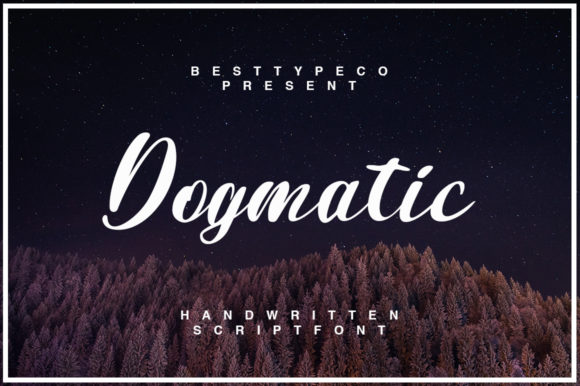
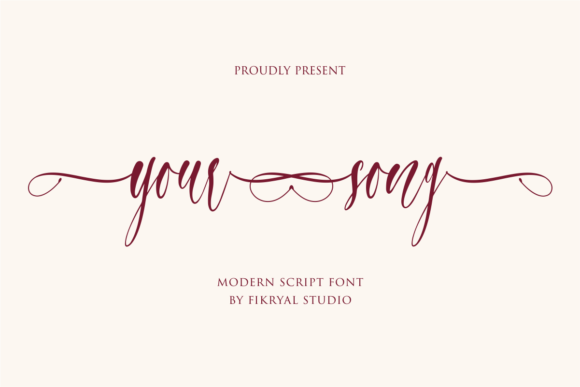
Your Song distinguishes itself immediately through its elegant and flowing handwritten aesthetic. Unlike many display scripts that prioritize style over substance, this typeface maintains a consistent baseline and legible structure that makes it suitable for more than just headlines. It captures the organic movement of a pen on paper while adhering to the structural requirements of digital typography. The result is a font that feels personal and approachable yet retains a level of sophistication appropriate for high-end branding, editorial design, and professional presentations.
The core strength of Your Song lies in its ability to maintain classy calligraphic influences while feeling fresh and contemporary. It avoids the dated look often associated with traditional cursive fonts by incorporating subtle variations in stroke weight and fluidity that mimic natural handwriting. This balance allows it to serve as a versatile asset for a wide range of applications, from wedding invitations and lifestyle blogs to luxury product packaging and corporate storytelling.
Technical Excellence and Glyph Access
One of the most significant advantages of using Your Song is its technical implementation. The font utilizes PUA (Private Use Area) encoding, a feature that often gets overlooked but is critical for advanced typographic control. Standard OpenType features are excellent, but PUA encoding unlocks a vast library of glyphs, swashes, and alternate characters that might otherwise be inaccessible in standard workflows.
This encoding method means users can access all the special characters, ligatures, and decorative flourishes with ease. For professionals who need to customize text for specific brand guidelines or create unique visual hierarchies, this flexibility is invaluable. Instead of relying on generic alternates provided by the operating system, designers can manually select specific swashes or contextual forms to ensure every letterform contributes to the overall composition. This level of control transforms the font from a simple text provider into a dynamic design element.
- Comprehensive Character Set: Includes extensive punctuation, numerals, and currency symbols designed to match the handwritten style.
- Contextual Swashes: Access to entry and exit swashes that enhance the flow of words and sentences.
- Ligature Support: Smooth connections between letters that prevent awkward spacing and improve readability.
Performance in Real-World Applications
When evaluating Your Song for practical use, the focus shifts to how it performs across different media and screen sizes. In print environments, the font excels at creating an immediate emotional connection. Its varying stroke widths catch the light beautifully on textured paper, making it ideal for stationery, brochures, and certificates. The clarity of the character shapes ensures that even small body copy remains legible, provided it is set with adequate leading and tracking.
Digital performance is equally impressive. On web interfaces, Your Song offers a distinct alternative to the ubiquitous grid-based layouts. When used for hero headings or pull quotes, it draws the eye naturally, guiding the user through the content hierarchy. However, like any handwritten font, it requires careful consideration of contrast and background color to ensure accessibility. Darker shades of gray or black against white backgrounds generally yield the best results, maintaining the integrity of the fine details in the strokes.
The consistency of the font is a key factor in its reliability. Because it is designed with a clear rhythm, the spacing between characters feels intentional rather than random. This consistency prevents the "messy" appearance that can plague poorly kerned scripts, ensuring that the final output looks polished and professional regardless of the project's scale.
Ideal Use Cases and Target Audience
The versatility of Your Song makes it particularly beneficial for specific segments of the creative and business community. Professionals looking to humanize their brand will find this font especially useful. Small business owners, freelancers, and entrepreneurs often struggle to convey warmth and authenticity alongside competence. Your Song solves this by offering a voice that sounds personal yet authoritative.
- Branding and Identity: Logos, brand marks, and identity systems that require a touch of elegance and uniqueness.
- Editorial and Publishing: Magazine covers, book titles, and blog headers where typography plays a central role in storytelling.
- Event Design: Invitations, programs, and signage for weddings, galas, and corporate events.
- Educational Content: Presentations and course materials where engagement and visual interest are paramount.
For marketers and content creators, the font provides a way to break through the noise of standardized templates. By integrating Your Song into social media graphics or email newsletters, brands can stand out in crowded feeds. The font's ability to convey emotion allows for more nuanced messaging, helping to build deeper connections with audiences aged 20 to 50 who value authenticity and quality.
Critical Considerations and Limitations
While Your Song offers numerous strengths, a balanced evaluation must acknowledge its limitations. As a script typeface, it is not intended for long-form body text. Overusing it in paragraphs can lead to reader fatigue and reduced comprehension. Its primary function is as a display font, meant to capture attention and set the tone rather than carry the bulk of the information.
Furthermore, the reliance on PUA encoding requires a certain level of technical proficiency. Users must understand how to map these characters within their design software to fully utilize the available swashes and alternates. While this adds a layer of complexity, it also ensures that the final design is bespoke and tailored to the specific needs of the project. Those unfamiliar with advanced typographic settings may find the initial learning curve slightly steeper compared to standard fonts.
Additionally, compatibility across different platforms should be verified. While modern browsers and operating systems handle OpenType features well, older systems may not render the full range of glyphs correctly. Always testing the font in the target environment before finalizing a project is a prudent step to avoid rendering issues.
Long-Term Value and Strategic Fit
Investing in Your Song is not just about acquiring a new file; it is about adding a strategic asset to a design toolkit. The font's timeless appeal ensures that designs created today will not feel outdated tomorrow. Its ability to adapt to various contexts—from digital screens to physical prints—makes it a cost-effective choice for agencies and individuals working on diverse projects.
The aesthetic longevity of the font comes from its refusal to follow fleeting trends. Instead, it leans on the enduring principles of calligraphy and hand-lettering. This stability provides peace of mind for clients and stakeholders who prefer classic, refined aesthetics over experimental or niche styles. Whether used for a startup logo or a decade-long brand refresh, Your Song delivers consistent quality.
Ultimately, the decision to use Your Song depends on the specific goals of the project. If the objective is to create a memorable, elegant, and human-centered visual experience, this font is a strong candidate. It invites users to fall in love with the art of typography, bringing projects to higher levels of refinement. By combining technical robustness with artistic flair, it stands as a testament to the power of well-crafted typefaces in the modern design ecosystem.