Malinsha: A Vintage Handwritten Font for Authentic Brand Storytelling
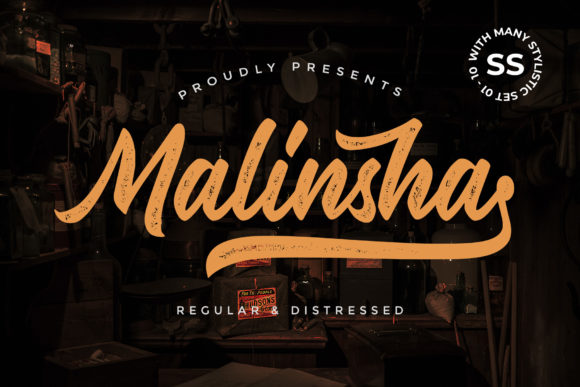
In a digital landscape saturated with rigid sans-serifs and uniform geometric typefaces, finding a font that genuinely captures the essence of human touch can be challenging. Malinsha emerges as a distinct solution for designers and creators seeking to inject warmth and nostalgia into their projects. This unique and flowing handwritten font features a vintage style that distinguishes itself from modern, sterile typography. It is not merely a decorative element; it is a tool designed to evoke specific emotional responses through its organic curves and authentic stroke variations.
The primary value of Malinsha lies in its ability to bridge the gap between professional design and personal expression. Whether you are a small business owner crafting a brand identity or a blogger looking to add personality to your content, this typeface offers a level of character that standard fonts often lack. Its flowing nature suggests movement and fluidity, making it particularly effective for narratives that require a softer, more inviting tone.
Defining the Character of Malinsha
To understand why Malinsha stands out, one must look at its structural characteristics. Unlike many digital scripts that attempt to mimic handwriting but end up feeling robotic or overly perfect, Malinsha embraces the imperfections inherent in manual writing. The strokes vary in weight, mimicking the pressure changes of a real pen on paper. This results in a text that feels alive rather than static.
The vintage aesthetic is perhaps its most defining trait. It draws inspiration from mid-century stationery and classic calligraphy without becoming illegible or archaic. This balance is crucial for professionals who want to convey tradition and reliability while maintaining a contemporary edge. The font's flow allows for long passages of text to remain engaging, preventing the visual fatigue that often accompanies dense blocks of serif or sans-serif type.
When applied correctly, Malinsha transforms the perception of a project. It signals that care has been taken in the creation process. For logos, it suggests a brand that values craftsmanship. For greeting cards, it implies a personal connection. The versatility of the design ensures that it does not feel like a novelty item but rather a sophisticated choice for serious applications.
The Technical Advantage of PUA Encoding
One of the most practical aspects of using Malinsha is its technical implementation. The font is PUA (Private Use Area) encoded, a feature that significantly enhances its usability for advanced typographic needs. In standard font usage, accessing alternate glyphs, swashes, or ligatures often requires complex workarounds or third-party software. With PUA encoding, these special characters are mapped directly to accessible keyboard shortcuts.
This means that designers can access all of the glyphs and swashes with ease, streamlining the workflow significantly. Instead of manually searching through a character map to find a specific decorative flourish, a simple key combination can insert the desired variant. This efficiency is vital for professionals working under tight deadlines or those managing large-scale projects where consistency is paramount.
The inclusion of extensive swashes allows for dynamic composition. These flourishes can be used to connect words, emphasize titles, or simply add visual interest to headers. Because they are easily accessible, there is no barrier to experimentation. Designers can quickly test different combinations to see how the font behaves in various contexts, ensuring the final output meets their exacting standards.
Practical Applications Across Industries
The utility of Malinsha extends far beyond simple decoration. Its specific strengths make it suitable for a wide range of professional scenarios. Understanding where this font fits best helps users maximize its potential and avoid misuse.
- Thank You Cards and Greeting Materials: The handwritten quality of Malinsha makes it ideal for personal correspondence. It adds a layer of sincerity that machine-printed text cannot replicate. For businesses sending thank you notes to clients or holiday greetings to partners, using this font reinforces a sense of gratitude and personal attention.
- Quote Graphics and Social Media Content: Creators and marketers often need to display inspirational quotes or testimonials. Malinsha provides a backdrop that draws the eye and encourages reading. The vintage style pairs well with retro-themed imagery, creating a cohesive visual narrative that performs well on platforms like Instagram or Pinterest.
- Logo Design and Branding: While script fonts can be risky for logos due to legibility concerns, Malinsha strikes a careful balance. It is distinctive enough to serve as a memorable brand mark yet readable enough to function effectively. Small businesses in sectors like baking, boutique retail, or artisanal crafts often benefit from this approachable aesthetic.
- Educational and Publishing Materials: Educators and publishers can use Malinsha to create materials that feel less formal and more engaging. Worksheets, certificates, and storybooks can utilize the font to create a welcoming atmosphere for learners.
Performance in Real-World Contexts
When evaluating the performance of Malinsha, consistency and reliability are key factors. In practice, the font maintains its integrity across different media. Whether printed on high-quality cardstock or displayed on a digital screen, the flow of the letters remains clear and defined. However, like any script typeface, its effectiveness depends heavily on context.
For body text in long-form articles, Malinsha may become difficult to read if the line height is too tight or the font size is too small. Its strength lies in headlines, subheads, and short phrases. Professionals should treat it as a display font rather than a paragraph font. This distinction is essential for maintaining readability and ensuring that the message is conveyed clearly to the audience.
The vintage style also interacts differently with other design elements. It pairs exceptionally well with muted color palettes, textured backgrounds, and serif body fonts. When combined with modern sans-serifs, it creates a compelling contrast that highlights both styles. This flexibility allows designers to adapt the font to various brand guidelines without clashing with existing visual identities.
Who Benefits Most from Malinsha?
Identifying the right user base is critical for maximizing the return on investment for any design asset. Malinsha is particularly well-suited for freelancers and entrepreneurs who need to differentiate themselves in crowded markets. For a freelancer offering creative services, having a unique font available can elevate the perceived value of their deliverables.
Small business owners, especially those in lifestyle or service-based industries, will find significant value in this typeface. It allows them to communicate a brand voice that is friendly, trustworthy, and established. Marketers looking to run campaigns focused on nostalgia or heritage will find Malinsha to be a powerful ally in storytelling.
Creatives such as bloggers and publishers can also leverage the font to enhance their content strategy. By using Malinsha for pull quotes, section headers, or featured images, they can break up the monotony of standard text and guide the reader's eye through the content. This strategic use improves user engagement and time spent on page.
Potential Limitations and Considerations
No single font is a universal solution, and Malinsha is no exception. Its highly stylized nature means it may not be appropriate for corporate environments that prioritize strict neutrality and formality. Legal documents, financial reports, or technical manuals would likely suffer from the informal tone of this typeface.
Additionally, accessibility should always be a consideration. While Malinsha is elegant, the complexity of some of its letterforms might pose challenges for individuals with certain visual impairments or dyslexia. Users should ensure that the font size and contrast are sufficient to maintain legibility for all members of their audience.
Finally, the reliance on PUA encoding requires that the end-user has the font installed or embedded correctly. If distributing a PDF or a web document, it is important to verify that the encoding translates properly on the recipient's device to prevent character substitution issues. Proper testing before final distribution is a necessary step to ensure a seamless experience.
Conclusion on Long-Term Value
Ultimately, Malinsha represents a thoughtful addition to any designer's toolkit. It offers a blend of aesthetic appeal and functional utility that is rare in the current market. By providing easy access to swashes and maintaining a consistent vintage style, it empowers users to create designs that resonate on an emotional level.
For those willing to integrate it thoughtfully, Malinsha delivers long-term value by enhancing the authenticity of their communication. It serves as a reminder that even in a digital age, the human touch remains a powerful asset. Whether used for a simple thank you note or a comprehensive branding package, the font proves that style and substance can coexist effectively.