Why Gear Is the Modern Choice for Distinctive Typography
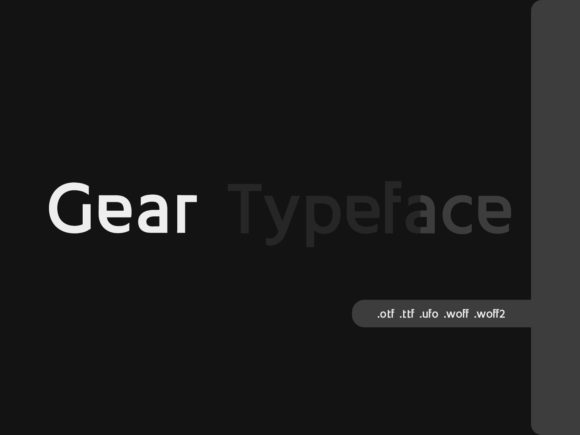
In the rapidly evolving landscape of visual communication, selecting the right typeface is rarely a matter of mere preference; it is a strategic decision that defines how a message is received. For designers, brand managers, and content creators navigating the vast sea of digital and print assets, Gear has emerged as a compelling option that balances contemporary aesthetics with functional versatility. This modern sans serif font offers a unique proposition: an elegant structure that performs equally well in high-stakes corporate environments and casual, creative projects.
When evaluating typography for a new project, the primary question often revolves around legibility versus character. Many fonts struggle to maintain their identity when scaled down or stretched across different mediums. Gear addresses this common pain point by offering a design philosophy rooted in clarity without sacrificing style. Its distinct geometric yet humanist undertones make it a robust tool for headlines, logos, branding materials, and packaging. Whether you are designing a sleek tech startup logo or an inviting menu for a local café, this typeface provides the structural integrity needed to stand out while maintaining professional polish.
Distinguishing Features of the Gear Typeface
To understand why Gear is gaining traction among professionals, one must look at its specific architectural qualities. Unlike many geometric sans serifs that can feel cold or overly rigid, Gear introduces subtle variations in stroke width and terminal shapes. These nuances prevent the text from appearing sterile, adding a layer of warmth that resonates with modern audiences who value authenticity.
- Elegant Simplicity: The clean lines of Gear strip away unnecessary ornamentation, allowing the content itself to take center stage. This makes it particularly effective for minimalist designs where whitespace is a critical element.
- Versatile Weight Range: A comprehensive family of weights allows designers to create hierarchy within a single document without mixing incompatible typefaces. From light, airy headers to bold, impactful statements, Gear maintains consistency across its spectrum.
- Optimized Legibility: Despite its stylized nature, the x-height and letter spacing are calibrated for excellent readability on both high-resolution screens and printed materials. This dual capability is essential in an era where content must be consumed seamlessly across devices.
The font's ability to transition between formal and non-formal contexts is perhaps its most defining characteristic. In a formal setting, such as a financial report or a legal contract cover, Gear conveys authority and precision. Conversely, in a non-formal context, like a social media graphic or a lifestyle blog post, it retains a friendly and approachable tone. This duality reduces the need for multiple typeface licenses, streamlining the design workflow while ensuring brand consistency.
Evaluating Gear Against Similar Design Solutions
Choosing a typeface often involves a comparative analysis against established standards and emerging trends. When placed alongside other popular sans serif options, Gear distinguishes itself through its specific balance of rigidity and fluidity. Many standard fonts prioritize pure geometry, which can sometimes result in a lack of personality. Others may lean too heavily into stylistic quirks, compromising readability.
Designers frequently face the challenge of finding a font that feels "custom" without requiring expensive custom lettering services. Gear occupies a middle ground in this spectrum. It offers enough character to suggest a bespoke solution while retaining the reliability of a system font. For instance, when used in branding, Gear avoids the generic feel that plagues many default web fonts, yet it does not suffer from the potential readability issues associated with highly decorative display faces.
Furthermore, the application of Gear extends beyond simple text rendering. In the realm of packaging, where shelf presence is paramount, the font's strong vertical stress and open counters ensure that product names remain visible even from a distance. This practical advantage is often overlooked until a design is finalized, making Gear a proactive choice for physical products. By prioritizing visibility and impact, Gear helps brands cut through the visual noise of crowded retail environments.
Tradeoffs and Limitations to Consider
No single typeface is a universal solution, and understanding the limitations of Gear is crucial for making an informed decision. While its elegance is a significant asset, there are scenarios where its specific aesthetic might not align with the intended message. For example, if a brand aims to project a rugged, industrial, or retro vibe, the refined nature of Gear might feel too polished or sophisticated.
Additionally, the success of any font depends heavily on implementation. Because Gear is designed to be versatile, it relies on the designer's skill to establish appropriate contrast. Overusing the lighter weights in small sizes can lead to faint text that struggles against busy backgrounds. Similarly, using the heaviest weights for body copy can create a dense, overwhelming reading experience. Designers must exercise restraint and adhere to best practices regarding font size, line height, and color contrast to fully leverage the capabilities of this typeface.
Another consideration is the availability of language support. While Gear covers a wide range of Latin characters, projects targeting multilingual audiences with extensive diacritical marks or non-Latin scripts should verify the full glyph set before committing. Ensuring that the chosen font supports all necessary characters prevents layout breaks and maintains the professional integrity of the final output.
Strategic Applications for Gear
The decision to use Gear should be driven by specific project goals rather than fleeting trends. Its strengths are best utilized in contexts where clarity and modernity are paramount. Below are several practical applications where this typeface excels, helping users visualize its potential impact.
- Corporate Branding: For companies looking to modernize their image, Gear serves as an excellent primary typeface. Its neutral yet confident tone works well for annual reports, investor decks, and official correspondence. It signals stability and forward-thinking without being overly aggressive.
- Packaging Design: In the consumer goods sector, packaging is the first interaction a customer has with a product. Gear's clean lines and strong presence allow brand names to pop against complex patterns or solid colors. It is particularly effective for health and wellness products, tech gadgets, and premium food items where a sense of quality is required.
- Digital Interfaces: As user interface design continues to evolve, the demand for readable, scalable fonts increases. Gear's optimized spacing and clear character distinction make it suitable for mobile apps, dashboards, and website headers. It ensures that navigation elements and call-to-action buttons are easily distinguishable.
- Editorial Layouts: Magazines and online publications benefit from the font's ability to handle long passages of text without fatigue. The subtle variations in the letterforms keep the reader engaged, preventing the monotony that can occur with more utilitarian typefaces.
When to Choose Alternatives
While Gear is a powerful tool, it is not the only option available. There are situations where a different typographic approach may yield better results. If a project requires a highly distinctive, hand-drawn, or script-like appearance, Gear's structured geometry would likely clash with the desired aesthetic. Similarly, for historical or academic contexts where traditional serif fonts convey credibility and heritage, a sans serif like Gear might appear too modern or detached.
Designers working on projects with strict accessibility guidelines should also conduct thorough testing. While Gear is generally accessible, some specialized fonts are specifically engineered for individuals with dyslexia or low vision. In these cases, the priority shifts from general aesthetics to specific readability features that Gear may not emphasize to the same degree. Evaluating the target audience's needs is the final step in determining whether Gear is the right fit.
Making the Final Decision
Selecting a typeface is an investment in the longevity and effectiveness of a design. Gear represents a thoughtful synthesis of form and function, offering a reliable foundation for diverse creative endeavors. Its ability to navigate the space between formal and informal makes it a valuable asset for professionals seeking a font that adapts to their evolving needs.
Ultimately, the choice comes down to the specific narrative the project aims to tell. If the goal is to communicate modernity, clarity, and elegance, Gear stands out as a top contender. However, if the project demands a more niche or historically grounded voice, exploring other categories of typography may be necessary. By weighing the strengths, tradeoffs, and specific use cases discussed above, designers can make a confident decision that enhances their work and resonates with their audience.
As you move forward with your next project, consider how the visual language of your text contributes to the overall experience. Gear offers a sophisticated starting point for those ready to elevate their design game with a font that is as practical as it is beautiful. Whether you are building a brand from scratch or refreshing an existing identity, the right typeface can transform the way your message is perceived.