Salting Font Evaluation
In the landscape of digital design and print media, selecting the right typeface is often the difference between a project that feels polished and one that feels generic. Salting is a hand-drawn font characterized by its natural brush style. Unlike geometric sans-serifs or rigid serif fonts, Salting mimics the imperfections and fluidity of ink on paper. This article provides an objective evaluation of Salting, exploring its technical attributes, practical applications, and the specific scenarios where it serves as an effective design tool.
Understanding the Salting Typeface
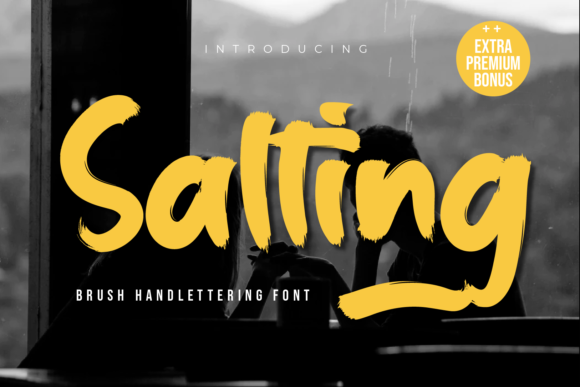
Salting is not merely a collection of uniform characters; it is designed to replicate the organic movement of a brush. The letterforms feature variable stroke widths, subtle texture variations, and edges that suggest the pressure of a physical tool. This "hand-drawn" aesthetic distinguishes it from standard vector fonts, which often appear too perfect for certain creative contexts. The font family typically includes a range of weights and styles that maintain this consistent brush-like quality while ensuring legibility across different sizes.
When evaluating Salting, designers should note that its primary strength lies in its ability to convey personality. It does not attempt to be invisible or neutral like many corporate typefaces. Instead, it commands attention through its artistic flair. The natural brush style suggests effort, creativity, and a human touch, making it distinct from the sterile look of machine-generated typography.
Strategic Applications for Social Media and Branding
The versatility of Salting makes it particularly suitable for modern marketing channels where visual impact is paramount. One of the most common use cases for this typeface is social media business designs. Platforms like Instagram, Pinterest, and TikTok rely heavily on imagery where text must compete with photographs and video content. Salting's bold, textured appearance allows headlines to stand out without requiring heavy graphic overlays.
For businesses looking to humanize their brand, Salting offers a solution. It is frequently utilized in advertisements and promotional materials where the goal is to evoke a sense of authenticity. A coffee shop promoting artisanal beans might use Salting to reinforce the idea of craft and tradition. Similarly, lettering projects benefit significantly from the font's inherent flow, reducing the need for manual illustration work while achieving a similar aesthetic result.
- Social Media Graphics: Ideal for creating eye-catching quotes, event announcements, and product highlights.
- Advertising Campaigns: Effective for posters and flyers that need to grab immediate attention in a crowded environment.
- Branding Elements: Suitable for logos and packaging where a custom, hand-crafted feel is desired.
- Editorial Design: Can be used for pull quotes or section headers in blogs and magazines to add visual interest.
Benefits and Design Considerations
Integrating Salting into a design project comes with distinct advantages, but it also requires careful consideration of its limitations. Understanding these factors is crucial for making an informed decision about whether this font aligns with your specific goals.
A primary benefit of using Salting is the reduction in production time. Creating genuine hand-lettered artwork is a labor-intensive process that requires specialized skills. By using Salting, designers can achieve a comparable look with greater speed and consistency. This efficiency allows for rapid iteration and the creation of large volumes of content, which is essential for maintaining an active presence on social media platforms.
Furthermore, the font's natural brush style adds emotional resonance. In an era where consumers are increasingly skeptical of overly polished, AI-generated content, the slight irregularities of Salting can serve as a trust signal. It suggests that a real person was involved in the creation of the message. This psychological connection can be valuable for small businesses, independent creators, and lifestyle brands.
However, there are tradeoffs to consider. The very features that make Salting unique—its texture and variation—can sometimes compromise readability. When used at small sizes or in long paragraphs of body text, the brush strokes may become difficult to decipher. The font is generally best reserved for display purposes, such as headlines, titles, and short captions, rather than extended reading material.
Situational Fit: When to Choose Salting
Determining when to select Salting involves assessing the tone and medium of your project. It is a strong fit when the objective is to create a casual, approachable, or artistic atmosphere. For instance, a yoga studio launching a new workshop series would find Salting appropriate for its inviting and relaxed vibe. The font supports themes of wellness, creativity, and personal growth.
Additionally, Salting is excellent for seasonal campaigns. During holidays or special events, brands often shift their visual identity to match the mood of the occasion. The organic nature of the font pairs well with festive themes, allowing for designs that feel warm and celebratory. It is also highly effective for merchandise, such as t-shirts, tote bags, and stickers, where the hand-drawn aesthetic adds value and uniqueness to the product.
If your project involves combining typography with photography, Salting often integrates well because its imperfect lines do not clash with the complexity of images. Instead, they complement the natural textures found in photos, creating a cohesive visual language.
Alternatives and Limitations
While Salting is a powerful tool, it is not a universal solution. There are situations where alternatives may be worth considering. If your project requires a high degree of formality, precision, or neutrality, Salting might be too expressive. Corporate reports, legal documents, and financial presentations generally demand typefaces that prioritize clarity and authority over artistic flair. In these contexts, a clean sans-serif or a classic serif would be more appropriate.
Another limitation arises in multi-language projects. Hand-drawn fonts often have limited character sets compared to comprehensive system fonts. If you need to support languages with complex scripts or extensive diacritical marks, you must verify that Salting includes the necessary glyphs before committing to the design. Furthermore, if your target audience includes individuals with visual impairments, the variability in stroke width could potentially hinder accessibility. In such cases, a simpler, more uniform typeface is the responsible choice.
Practical Decision-Making Insights
To determine if Salting aligns with your needs, start by defining the core message of your communication. Ask yourself: Does the content require a voice that feels personal and crafted? If the answer is yes, Salting is likely a strong candidate. However, if the priority is maximum legibility and information density, you should explore other options.
It is also advisable to test the font in its intended context. Create mockups of your social media posts, posters, or advertisements using Salting alongside your existing brand elements. Evaluate how the font interacts with your color palette and imagery. Pay close attention to contrast and spacing; the organic nature of the letters may require adjustments to kerning and leading to ensure a balanced composition.
Finally, consider the longevity of your design. Trends in typography change rapidly. While Salting has a timeless quality due to its hand-drawn roots, ensure that its usage fits within your broader brand strategy. Using it consistently across all touchpoints can build recognition, whereas sporadic use might dilute its impact.
In conclusion, Salting is a versatile and expressive typeface that excels in environments where personality and creativity are paramount. By understanding its strengths and limitations, designers can make strategic decisions that enhance their visual communication. Whether for social media engagement, advertising, or artistic projects, Salting offers a compelling option for those seeking to infuse their work with a natural, human touch.